A Warm Welcome
If you're new to church, new to the area, returning after some time away, or simply wondering whether church might be for you, you are very welcome at Kildwick, Cononley & Bradley.
You don't need to know what to do, what to say or even what you believe. Just come as you are. Our churches are places where people can worship, ask questions, find friendship and explore faith together.
We are one parish with three churches: St Andrew's Kildwick, St John's Cononley and The Bradley Church. Each is a little different, but wherever you join us, we hope you will find a warm welcome.
Find our Sunday services
What are we about?
At the heart of our life together is Jesus Christ and his call to love God and love our neighbour.
For many years we have expressed our mission in four simple words:
Sharing, Caring, Growing in Christ
In Christ
Everything begins with God's love for us in Jesus Christ. We don't come to church because we have everything sorted out. We come to worship, to pray, to learn and to discover more of what it means to follow Jesus.
Growing
Faith is a journey. None of us has all the answers, and there is always more to discover. Through worship, prayer, the Bible and one another, we seek to grow in faith and in our understanding of God.
Caring
Following Jesus means caring for one another and for the communities around us. We seek to put God's love into practice through friendship, compassion, service and care for our neighbours.
Sharing
The good news of Jesus is something to be shared. We want to share God's hope, love and peace through what we say, but also through how we live and how we serve others.
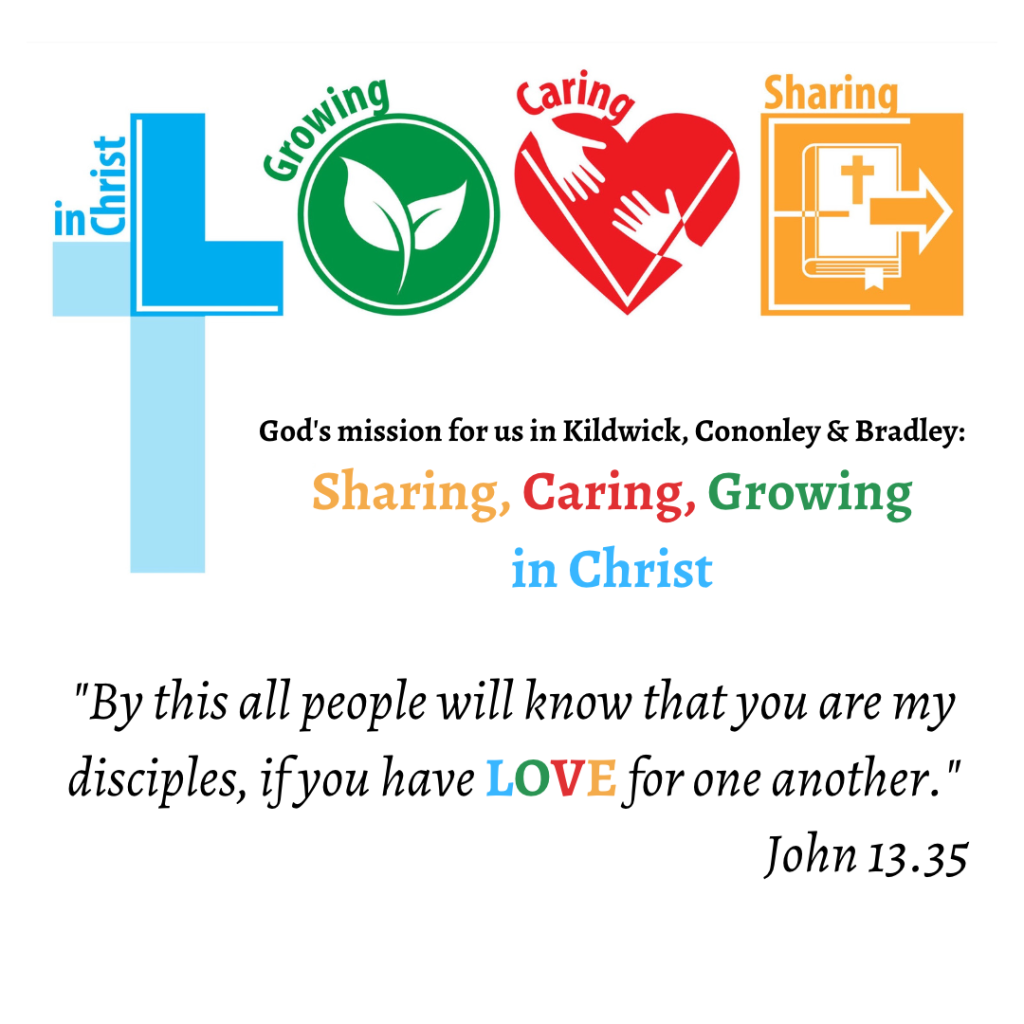
This is reflected in our vision for the parish:
Living out our faith, rooted in service; embracing everybody equally.
We want these to be more than words. They describe the kind of Christian community we are seeking to become.
What happens if I come on Sunday?
You don't need to book or let us know that you're coming. Just turn up.
Our services vary across our three churches. Some are traditional celebrations of Holy Communion, while others are more informal. You can find the time and location of this week's services on our Sunday Services page.
When you arrive, there will usually be someone to welcome you and give you anything you need for the service. You are welcome to sit wherever you like.
Don't worry if you aren't familiar with the service or don't know when to stand or sit. Just follow along as much or as little as you feel comfortable with. Nobody will mind if you get something 'wrong'.
See our Sunday services
Do I need to be a Christian?
No.
You might have been a Christian for many years, be returning to church after a long time away, have lots of questions, or simply be curious.
You don't have to have faith sorted out before coming to church. Exploring, questioning and sometimes doubting are all part of the journey.
Whatever your background, faith or spiritual beliefs, you are welcome.
What should I wear?
Whatever you normally wear!
There is no dress code. Some people dress smartly, others come in jeans and trainers. Come in whatever makes you comfortable.
What about children?
Children and families are very welcome at our churches.
We know that children make noise, move around and don't always behave like adults, and that's absolutely fine. Please don't worry about having to keep them perfectly quiet.
We also have activities especially for children and families throughout the year.
Find out about Children & Families
Will I be expected to give money?
No.
There may be an opportunity to give during or after a service, but visitors should never feel under any pressure to contribute. Please simply be our guest.
Can I receive Communion?
If you normally receive Holy Communion in your own church, you are welcome to receive with us.
If you would prefer not to receive Communion, you are still very welcome to come forward for a blessing, or simply remain in your seat. There is no pressure either way.
Accessibility
Accessibility varies between our three historic church buildings. You can find specific access information on each church's page, or please contact us if we can help you plan your visit.
Getting involved
Coming to a Sunday service is only one way to be part of our parish.
Throughout the week there are opportunities to meet people, pray, learn, sing, serve our communities and simply spend time together. Have a look at our What's On pages to see what might interest you.
You can also sign up for our weekly email newsletter to find out what's happening across Kildwick, Cononley & Bradley.
See What's On
Get our Weekly Newsletter
Still have questions?
Please get in touch. It doesn't matter whether your question is about a service, accessibility, children, faith, or simply which of our churches might be right for you.
We would be very happy to help.
Contact Us
A word from Mike
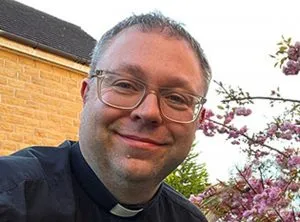
I'm Mike Green, the Vicar of Kildwick, Cononley & Bradley.
Finding your way into a church for the first time can sometimes feel daunting, particularly if you're not sure what to expect. I hope you'll discover that you don't need to know the right words, understand everything we do, or have all the answers before you come.
Whoever you are, and wherever you are on your journey of faith, there is a place for you here.
I hope we'll have the opportunity to welcome you in person soon.
Best wishes,